
Enterprise AI Cannot Deduce Business Meaning from Data Alone
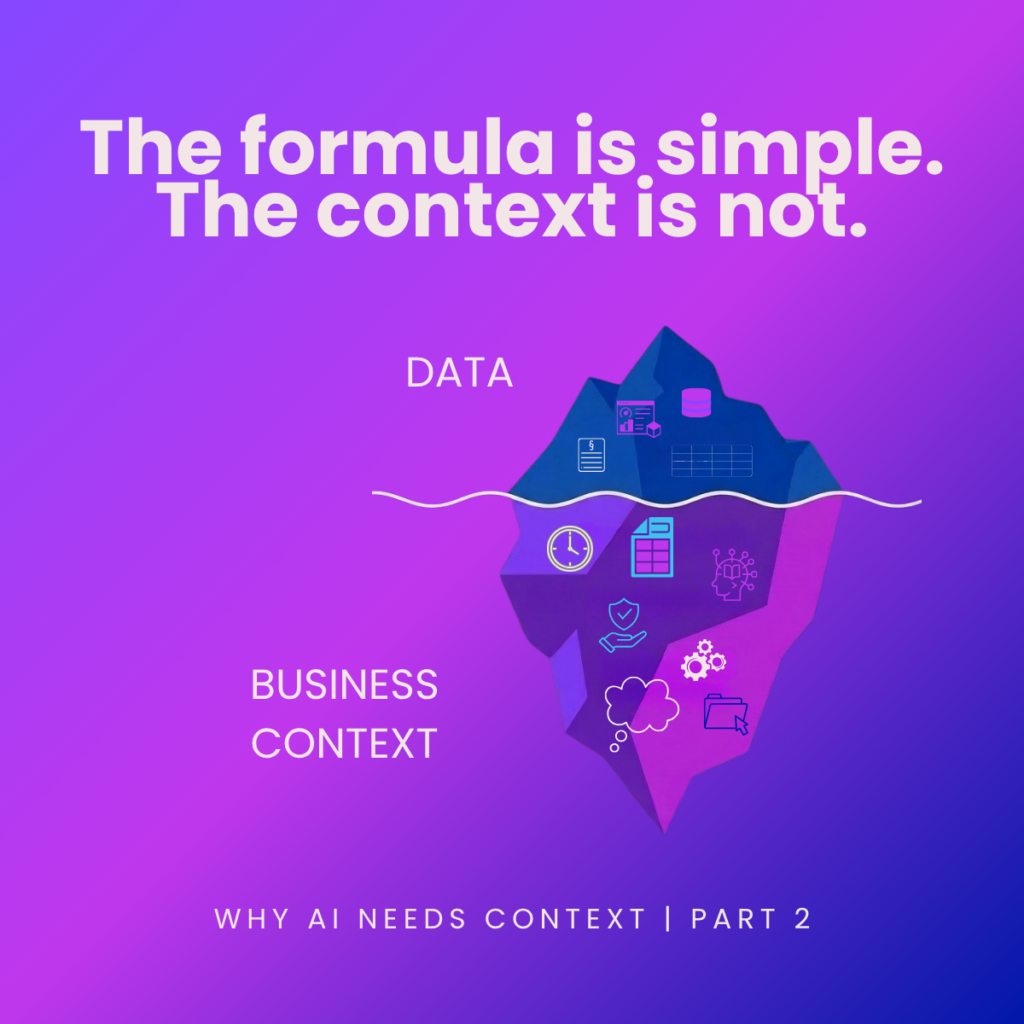
Enterprise AI doesn’t fail because the data is missing or the model is weak. It fails because business meaning is implicit, locked in policies, SAP configurations, and tacit knowledge. This article explores the iceberg of enterprise context and why federated reasoning is the next frontier beyond data, ontologies, and semantics.
Enterprise AI Cannot Deduce Business Meaning from Data Alone
Enterprise AI doesn’t fail because the data is missing or the model is weak. It fails because business meaning is implicit, locked in policies, SAP configurations, and tacit knowledge. This article explores the iceberg of enterprise context and why federated reasoning is the next frontier beyond data, ontologies, and semantics.
Context Is Everything — In Life and in AI
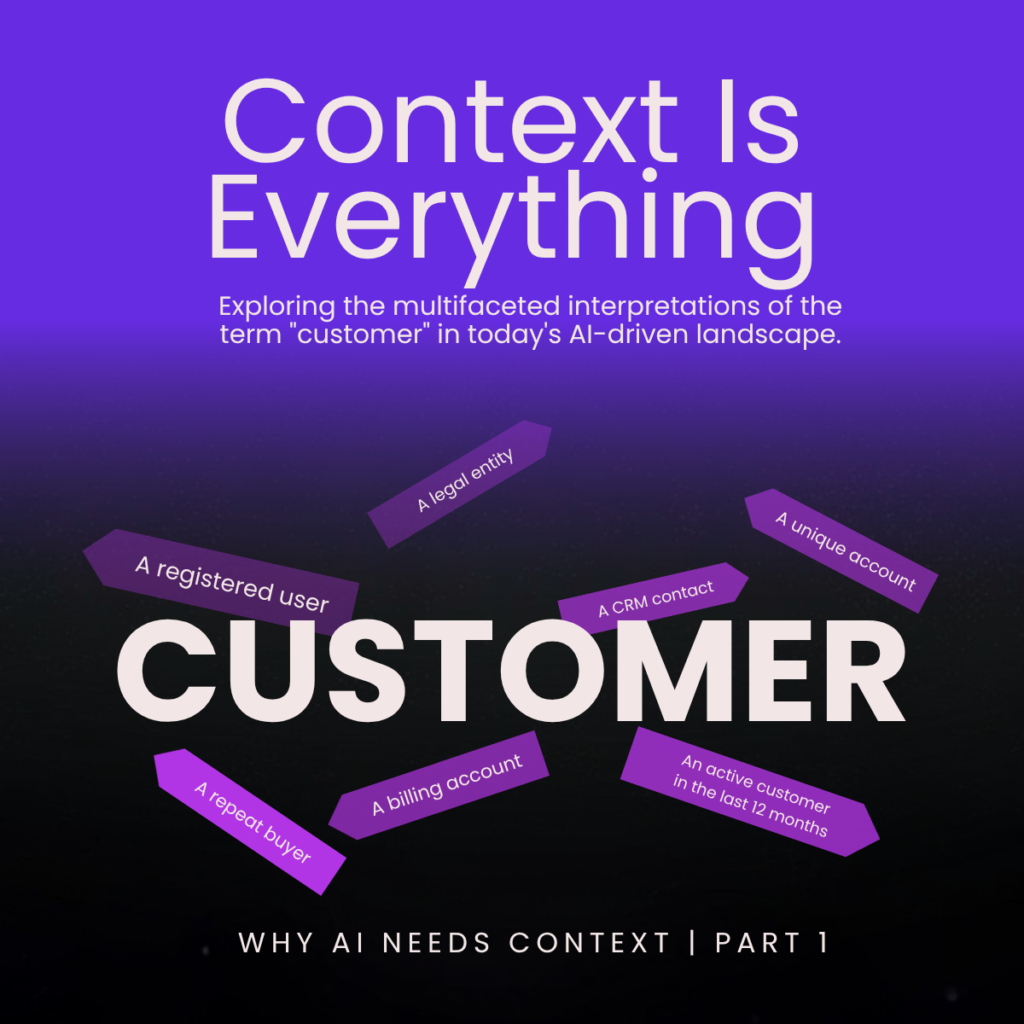
Your AI knows what Wikipedia says about “revenue.” It doesn’t know how your company recognizes it. That gap, between general knowledge and business meaning, is the hidden challenge of enterprise AI.
The Agentic Shift: From Speed of Insight to Safety of Action
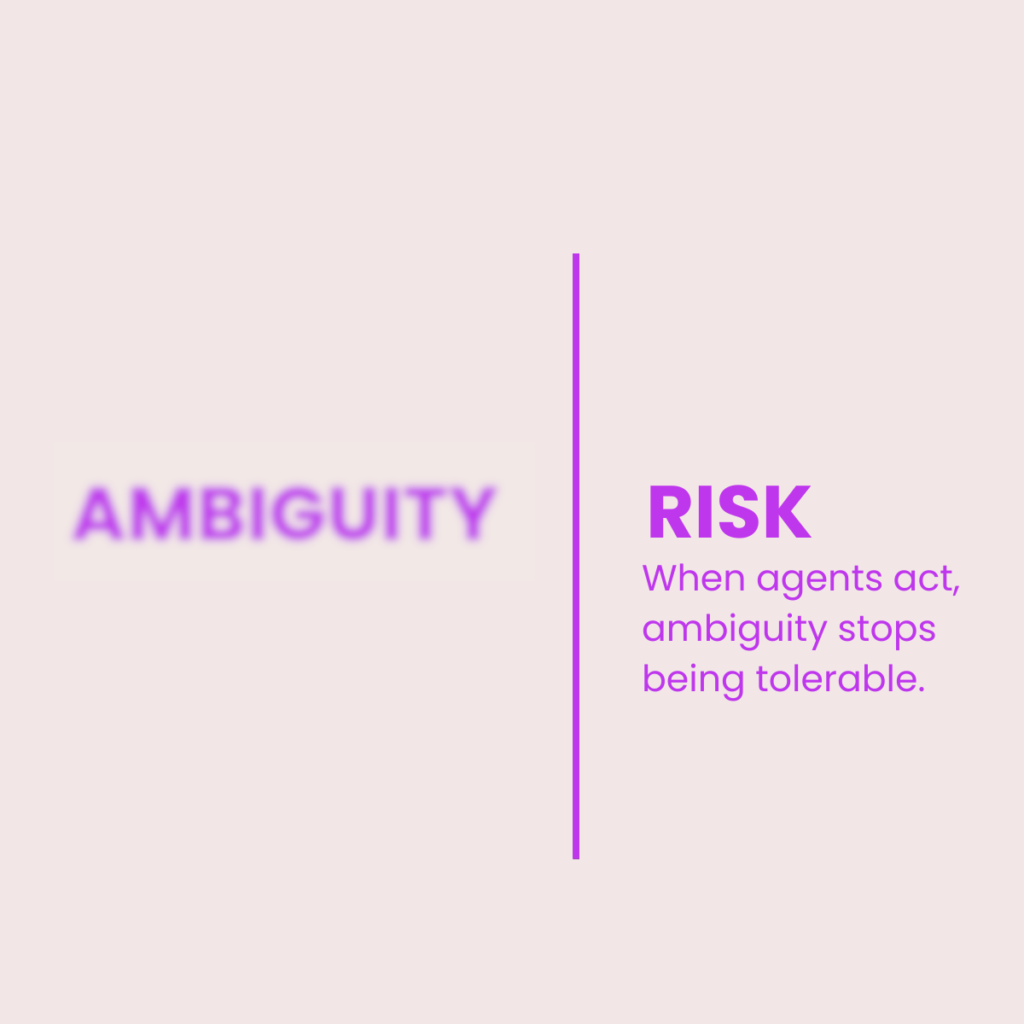
Waiting for IT’s AI masterplan is not an option. SAP customers need to see real value now.
While 95% of AI projects fail to reach production, the problem isn’t technical – it’s cultural. Semantic modeling bridges this gap, translating SAP’s cryptic structures into business concepts AI can understand, while keeping governance intact.
The opportunity isn’t waiting for transformation. It’s making AI work today, from where you already are.
How to Turn Your SAP Data into Real AI Business Results
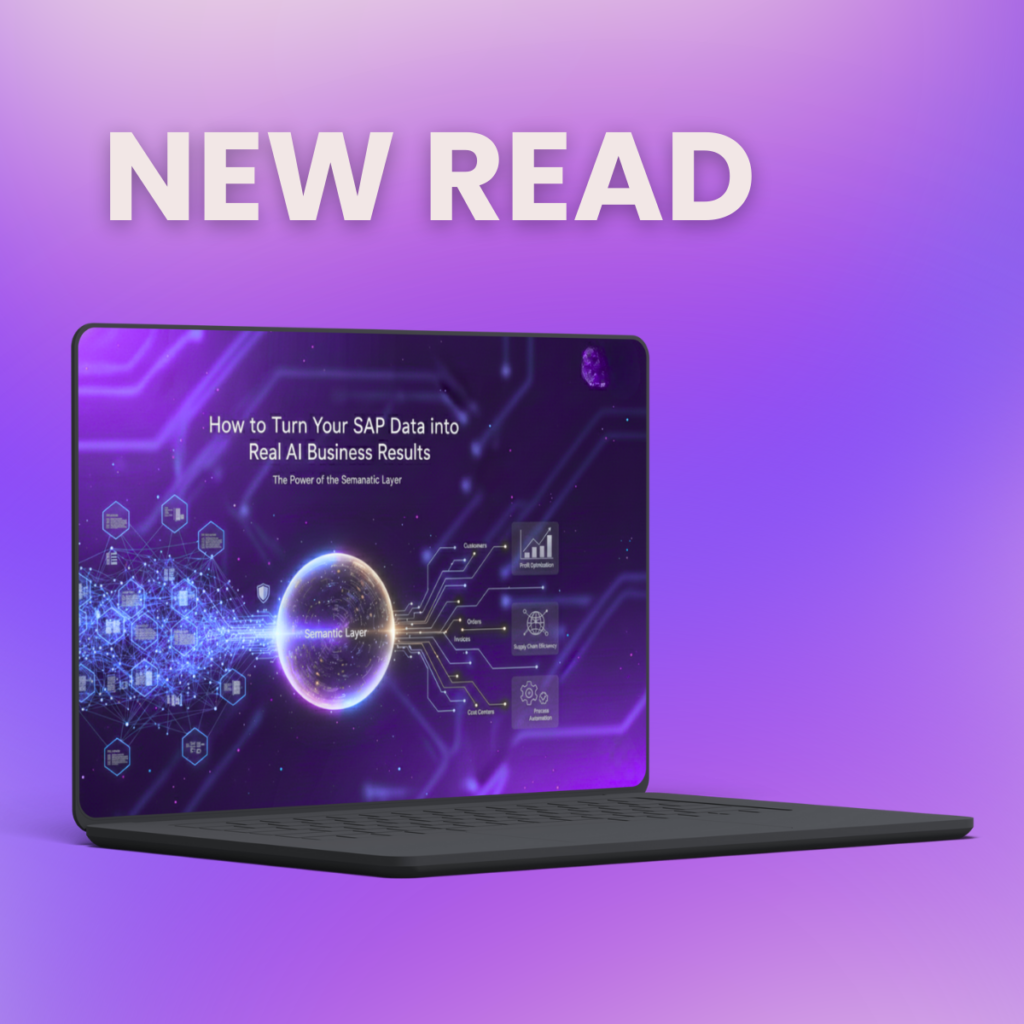
SAP data already tells a story: structured, traceable, business-relevant. Yet its semantics remain hidden in cryptic tables and configurations. While 95% of AI projects fail, the problem isn’t technology, but the missing link: Semantic modeling translates SAP structures into business concepts AI can understand. With Business Data Products, meaning becomes reusable, governance stays intact. Value doesn’t emerge in years, but now, exactly where you already are.
The Dunning–Kruger Effect of AI Adoption

Confidence in AI often outpaces competence. While 61% of leaders believe AI is fully implemented, only 36% of employees agree. The Dunning-Kruger Effect reveals the gap: enthusiasm from experimenting with ChatGPT isn’t the same as building enterprise AI capability. Real transformation requires data quality, governance, and cultural alignment – fundamentals often skipped when confidence runs ahead. Humble leadership builds lasting AI capability, not quick headlines.
What 100 Executives Taught Me About AI

Over the past nine months, I’ve had the privilege of sitting down with more than 100 executives to explore AI, its strategic value, tactical implementation, and operational implications. What an experience! Each workshop brought different industries, perspectives, and energy. Yet across all of them, I noticed consistent patterns, moments of genuine insight, and of […]
Smarter Decisions (3/3)

Decision Debt: Why Digital Transformation Keeps Stalling “Let’s do the Brownfield conversion now. We’ll deal with the data later.” I heard this sentence so many times. It sounds pragmatic. Rational. Focused. But it’s not. Behind this single sentence lies a series of silent, postponed decisions: Not clarifying the business value you need Not defining or aligning with a broader data strategy Not preparing for the age of AI Not investing in cleaner, […]
Why AI Governance in SAP Isn’t Optional Anymore

AI models may work. They predict demand spikes, optimize inventory, even suggest pricing adjustments. But then the CFO asks the question that stops everything: “Can you show me exactly how this prediction was made and prove it complies with our controls?” Welcome to the world where “does it work?” meets “can we trust it?”. In […]
Fast-Moving AI vs. Rigid Systems

AI moves at breakneck speed. SAP keeps your business steady. The real question: are you building your SAP-AI strategy for today’s race, or for the one that starts tomorrow? The answer decides whether you stay ahead, or get stuck. The AI ecosystem is evolving too quickly for a locked-in choice By the end of 2024, […]